Prairie Land, Meadow Management & Rural Life in Canada

A reference on open land parcels, native grassland restoration, and property considerations for rural landowners across the Canadian prairies.

Recent Articles

Undisturbed native prairie in Saskatoon's Silverspring neighbourhood
Land Management

Managing Open Land Parcels on the Canadian Prairies

Open parcels across Saskatchewan, Alberta, and Manitoba carry a distinct set of responsibilities — from fencing requirements and weed control to grazing leases and water rights.
Updated May 2, 2026

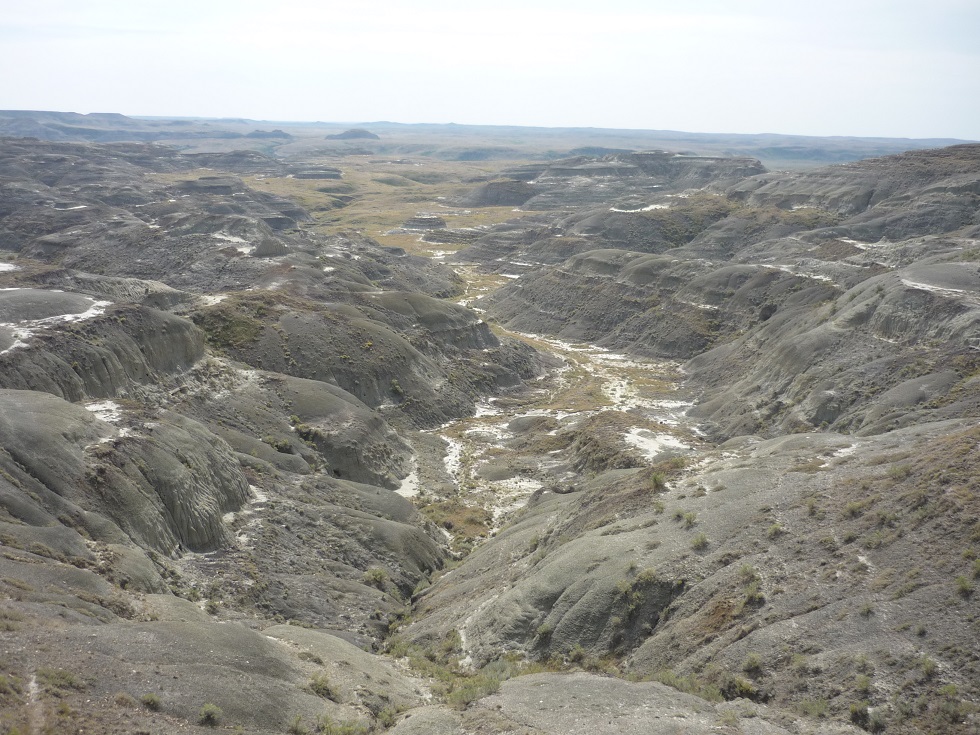
Valley of 1000 Devils in Grasslands National Park, Saskatchewan
Grassland Restoration

Native Grassland Restoration in Saskatchewan

Less than 20 percent of Canada's native prairie remains intact. Landowners across the southern prairies are working to re-establish fescue and mixed-grass communities on previously broken land.

Updated May 1, 2026

Rural acreage at Good Spirit Acres, Saskatchewan
Rural Property

Rural Property Considerations on the Canadian Prairies

Buying or managing rural land in prairie provinces involves zoning classifications, municipal bylaws, well and septic regulations, and the realities of acreage maintenance through harsh winters.

Updated April 29, 2026

What Remains of the Native Prairie

The mixed-grass and fescue prairies of Canada once covered more than 600,000 square kilometres. Today, roughly 18 percent of that original extent survives in fragmented patches — much of it on private agricultural land in Saskatchewan and Alberta. Understanding what those remnants represent ecologically is the first step for any rural landowner deciding how to manage open ground.

Sources: Environment and Climate Change Canada · Nature Conservancy of Canada

Key Topics

Weed Control on Crown and Private Land

Provincial noxious weed legislation in Saskatchewan, Alberta, and Manitoba requires landowners to control designated species. Leafy spurge, Canada thistle, and common tansy are among the most widespread on open parcels.

Grazing Leases & Crown Land Access

Crown grazing leases in Saskatchewan cover approximately 2.4 million hectares. Lease terms, stocking rates, and renewal conditions vary by district and are administered through the Saskatchewan Ministry of Agriculture.

Shelterbelts & Windbreak Planning

Prairie Farm Rehabilitation Administration shelterbelts planted between the 1930s and 1990s are aging out across the prairies. Many landowners are now faced with removal decisions or replanting with native shrub species.

Dugout Water Management

Dugouts remain the primary water source for livestock on many prairie properties. Maintaining adequate depth, managing algae growth, and understanding recharge rates from snowmelt are central concerns for rural operators.

Contact & Information Requests

Questions about specific prairie land management topics, corrections to published content, or inquiries about contributing reference material can be sent directly to the editorial team.