Native Grassland Restoration in Saskatchewan
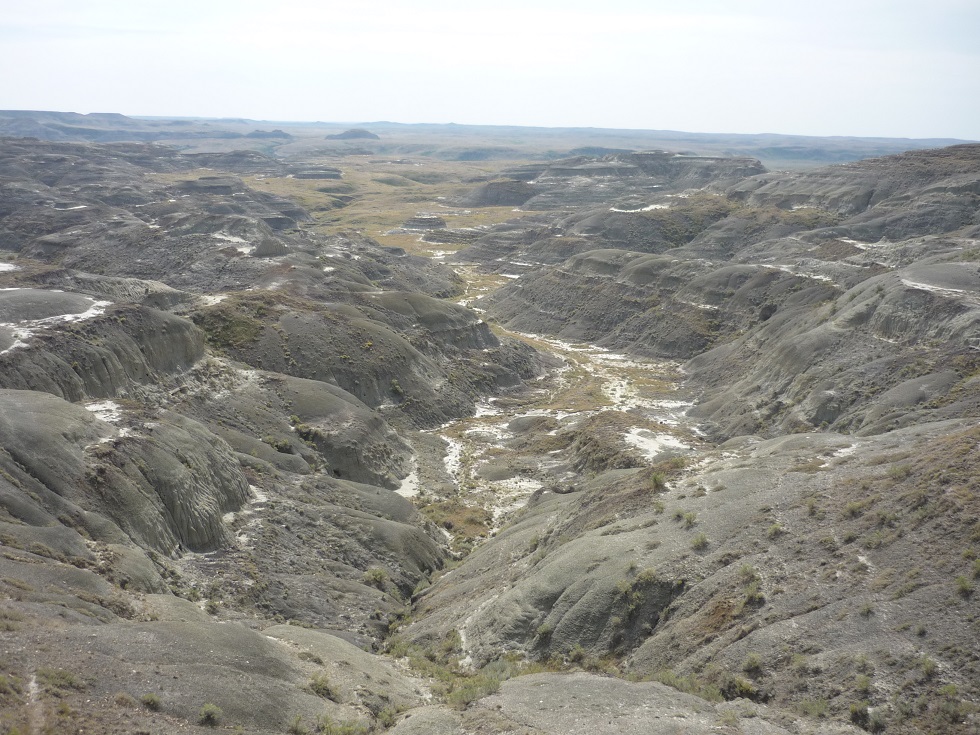
Restoring broken or degraded farmland to native prairie is a multi-year undertaking that involves selecting appropriate seed mixes, preparing the seedbed, managing the establishment phase, and then transitioning to a grazing or haying regime that maintains botanical diversity. Saskatchewan landowners attempting this have access to several provincial and federal programs that reduce the upfront cost, though the ecological complexity of the work means results vary considerably by site.
The State of Native Prairie in Saskatchewan
Saskatchewan holds the largest remaining block of native mixed-grass prairie in Canada, concentrated in the south and southwest of the province. The Nature Conservancy of Canada estimates that roughly 28 percent of Saskatchewan's original native grassland area remains in some form of native cover. The rest was broken for cultivation primarily between 1900 and 1960. Of what remains, a significant portion is on private land — meaning land-use decisions by individual operators have disproportionate influence on whether those remnants persist.
Intact native prairie supports a substantially different suite of species than seeded tame grass stands. Botanically diverse mixed-grass prairie in the Palliser Triangle can host 30 to 50 vascular plant species per 100 square metres, compared with four to eight in a typical crested wheatgrass or brome stand.
Seed Mix Selection
The most common mistake in grassland restoration is using a seed mix that doesn't reflect the local ecotype. Plants sourced from the Northern Great Plains of the United States, for instance, may establish but perform poorly through Saskatchewan winters and may not synchronize with local pollinator populations. Prairie seed certification programs in Saskatchewan designate certified Saskatchewan origin seed for several key species.
A foundational mix for mixed-grass prairie restoration in the Assiniboine plains region typically includes:
- Plains rough fescue (Festuca hallii) — slow to establish but dominant in mature fescue prairie communities
- June grass (Koeleria macrantha) — early successional, useful for early cover
- Blue grama (Bouteloua gracilis) — critical for shortgrass communities south of the Qu'Appelle Valley
- Northern wheatgrass (Elymus lanceolatus) — rhizomatous, provides cover and erosion protection
- Forbs: purple prairie clover (Dalea purpurea), prairie crocus (Anemone patens), western wild bergamot (Monarda fistulosa)
Seeding rates for native mixes are significantly higher than for tame grasses due to lower germination rates and slower establishment. A rule of thumb is 10 to 15 pure live seeds (PLS) per square centimetre, translating to roughly 8 to 12 kg/ha of a diverse mix.
Seedbed Preparation
Established annual weeds are the primary obstacle in the first two years of restoration. Landowners who have successfully established native mixes on previously cultivated ground typically use one of two preparation strategies: repeated tillage followed by a cover crop that winter-kills, or a two-year chemical fallow with two to three glyphosate applications timed to emerging weed flushes.
No-till seeding into a killed cover crop with a dedicated native-grass seeder (low seed rate, 10 cm row spacing, minimal soil disturbance) has shown consistent results on heavier clay soils in the Qu'Appelle and Souris basins. Light sandy soils in the southwest often require firmer seedbed preparation to maintain seed-to-soil contact through the dry establishment period.
Establishment and Early Management
Native grasses direct most first-year energy into root development rather than above-ground growth. A seeding in May of year one may show only sparse, low growth by August — this is normal and does not indicate failure. Weed competition management in year one and two is critical. Mowing to 15–20 cm after weed species have set seed stalks but before native grasses are stressed reduces competition without damaging the developing native stand.
Grazing should be excluded entirely for the first two growing seasons. In year three, light rotational grazing can begin — one pass of moderate-intensity grazing in late summer (after most native forbs have set seed) with adequate recovery time is the standard recommendation from Ducks Unlimited Canada's habitat restoration team.
Funding and Cost-Share Programs
The federal Agricultural Clean Technology Program and the Saskatchewan Sustainable Canadian Agricultural Partnership both offer cost-share opportunities for native grassland restoration under certain soil health and biodiversity criteria. Eligible costs typically include seed purchase, seeder rental, and chemical fallow inputs.
Ducks Unlimited Canada operates habitat enhancement agreements directly with Saskatchewan landowners, often covering the full cost of seeding restoration areas adjacent to wetlands in exchange for a short-term stewardship commitment. These agreements do not transfer land title and do not restrict future sale.
The federal Ecogift Program administered by Environment and Climate Change Canada provides tax incentives for landowners who donate a conservation easement on significant natural areas, including intact native prairie remnants. The fair market value of the donated easement is credited as a charitable donation for income tax purposes.
Long-Term Maintenance
A restored native grassland does not maintain itself without management intervention. The suppression of periodic fire and the removal of large grazers that shaped the original prairie community means landowners must substitute management practices to approximate those disturbance regimes. Rotational grazing with rest periods of 60 to 90 days per paddock during the growing season is the most practical tool for maintaining species diversity on private land. Prescribed burning, where municipal permits allow, can set back shrub encroachment and stimulate forb germination from the seed bank.